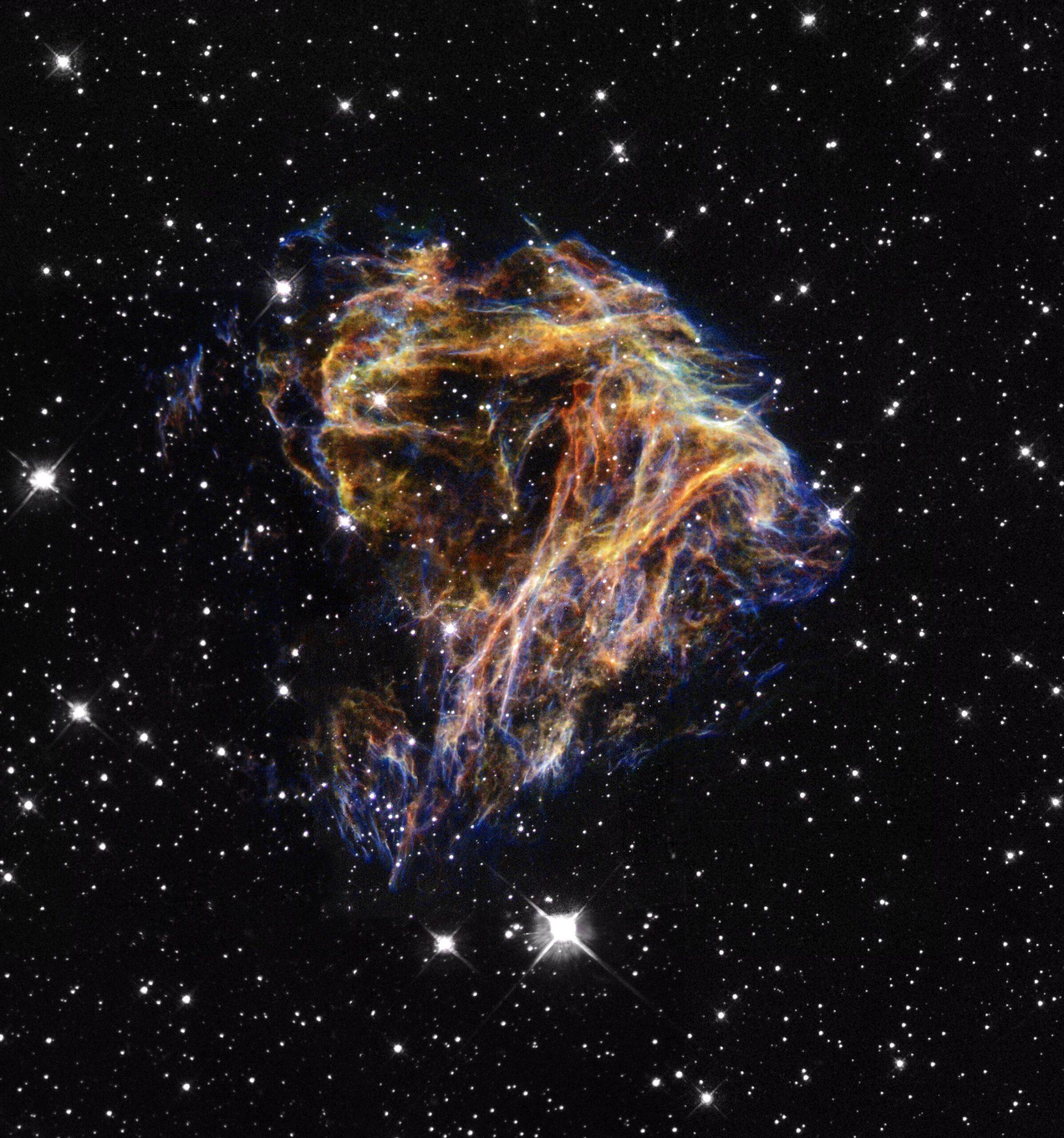
Supernova Remnant N 49
N 49 is a supernova remnant in a neighboring galaxy called the Large Magellanic Cloud. The delicate filaments are sheets of debris from a stellar explosion whose light would have reached Earth thousands of years ago.
Universe Calendar Observing Fascinating Cosmic Wonders
N 49 is a supernova remnant in a neighboring galaxy called the Large Magellanic Cloud. The delicate filaments are sheets of debris from a stellar explosion whose light would have reached Earth thousands of years ago.
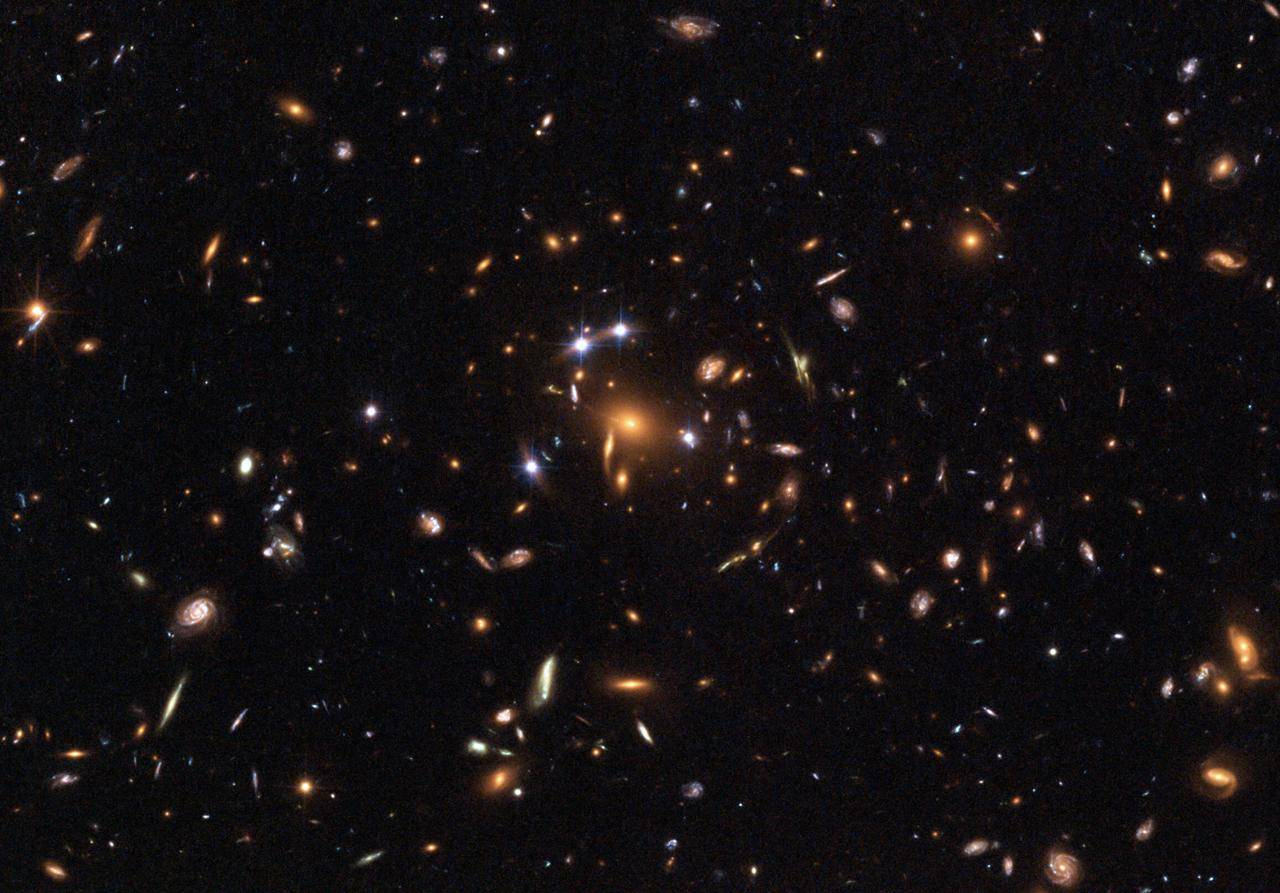
This picture captures a galaxy cluster called SDSS J1004+4112 that's so massive that its gravity bends light from galaxies behind it. The light of a distant quasar (the brilliant core of an active galaxy) has been bent around the cluster, appearing in five places in this image.
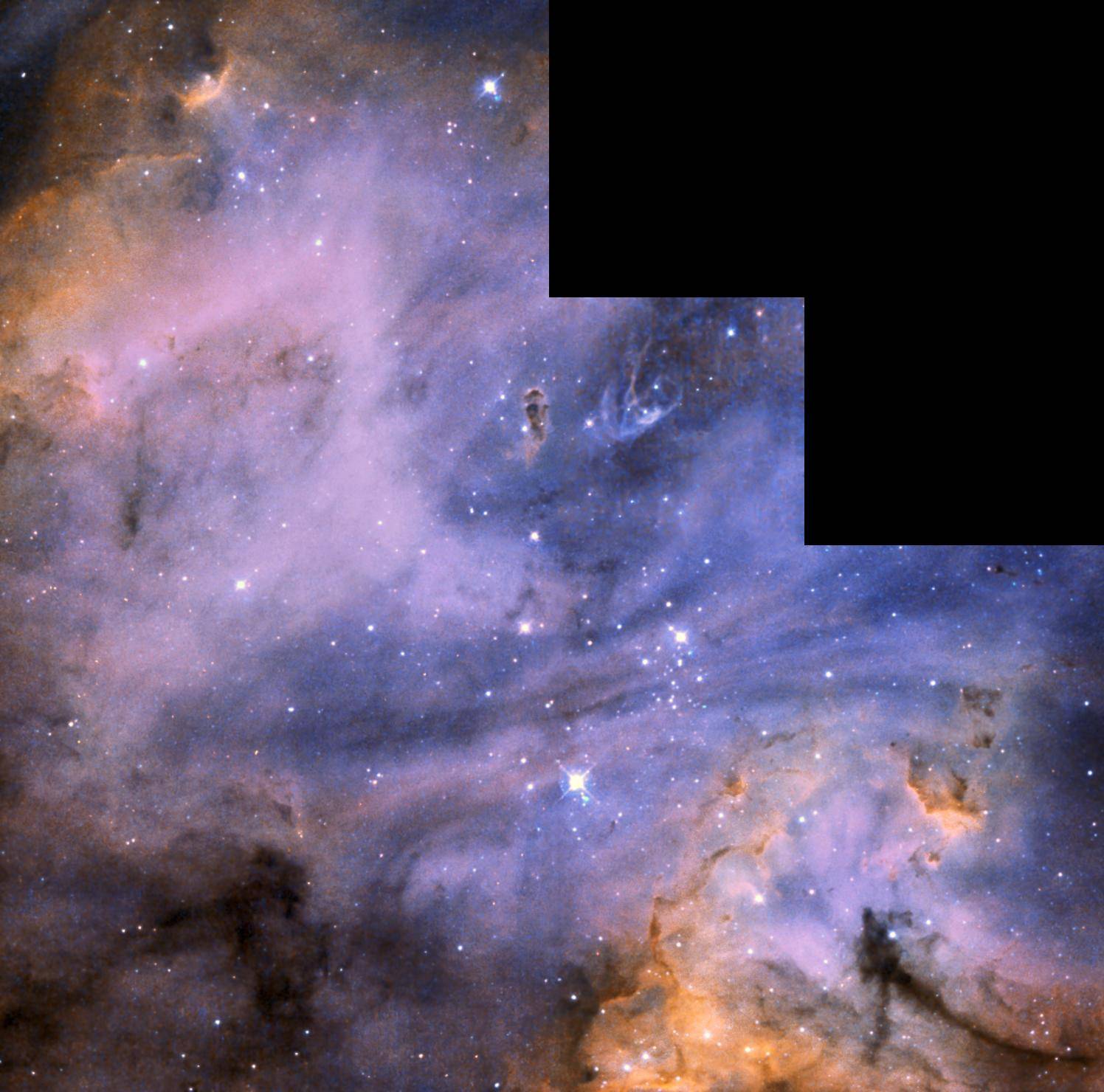
N 180B is an active region of star formation in the Large Magellanic Cloud, a dwarf galaxy orbiting our Milky Way. This particular region contains some of the brightest known star clusters.
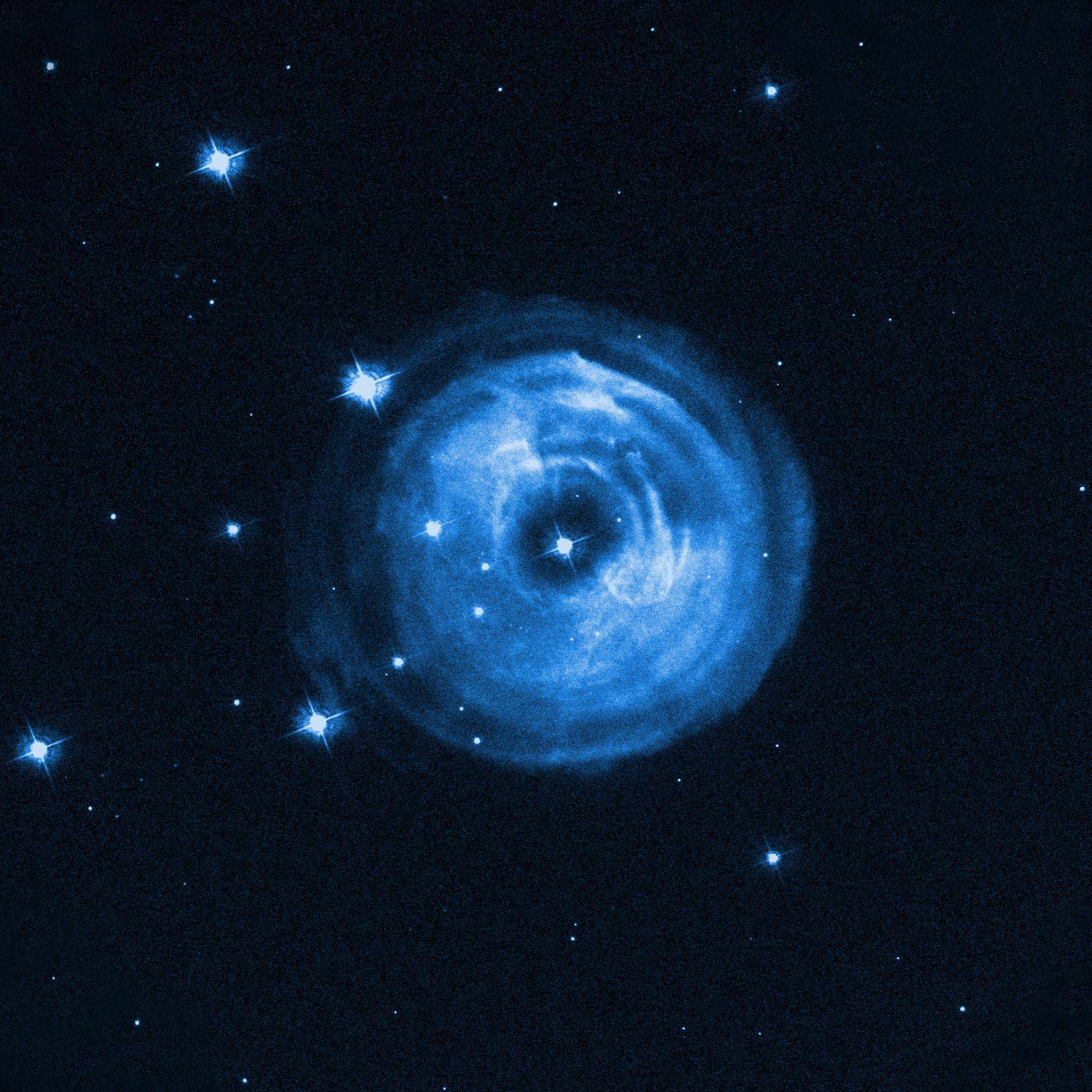
n 2002, a dim star suddenly became 600,000 times more luminous than our Sun, temporarily making it the brightest star in our Milky Way galaxy. This image of V838 Monocerotis captures its "light echo."
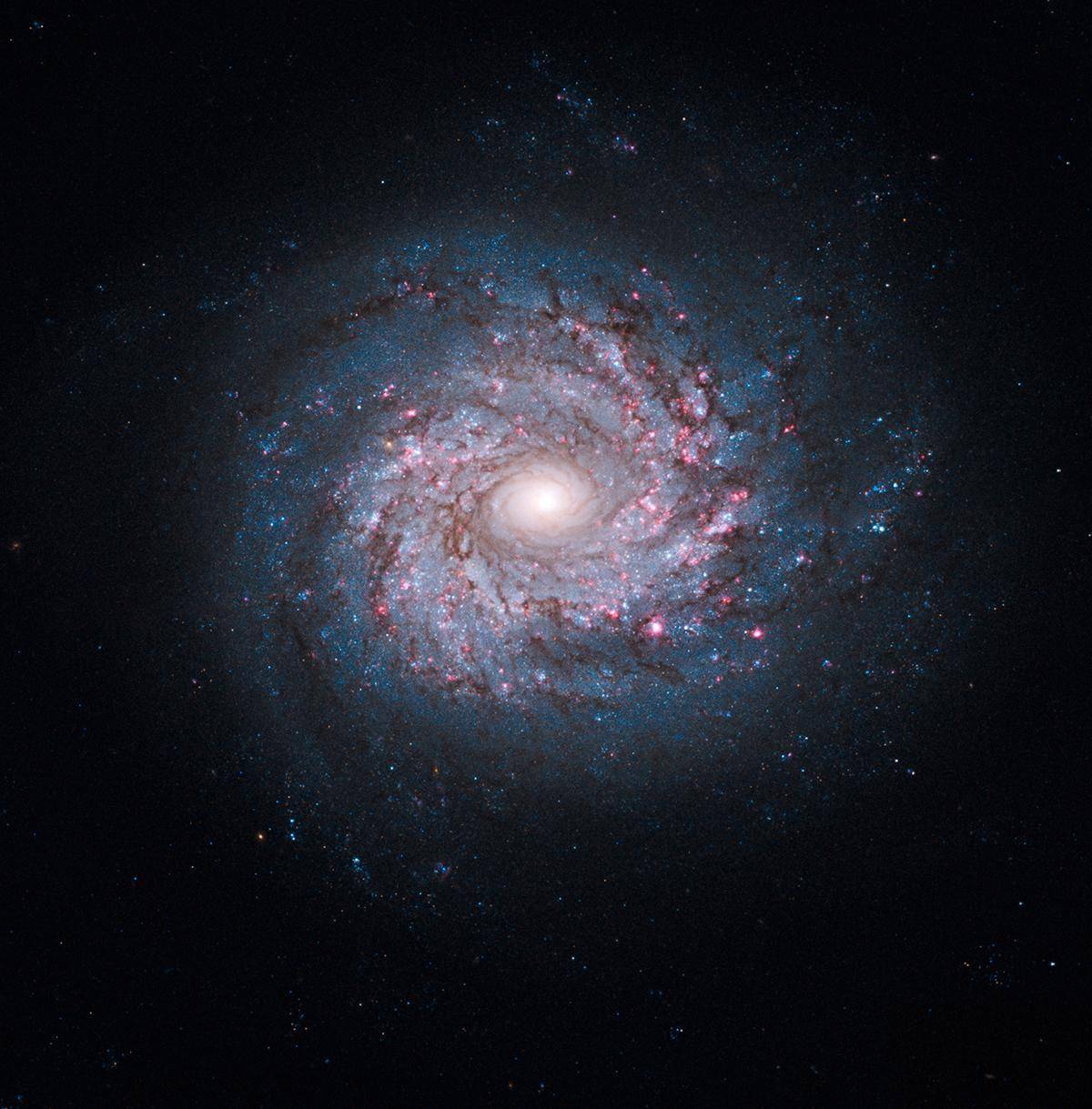
This image captures the face-on spiral galaxy NGC 3982. Its arms are lined with pink star-forming regions of glowing hydrogen, blue newborn star clusters, and dark dust lanes that provide the raw material for future generations of stars.
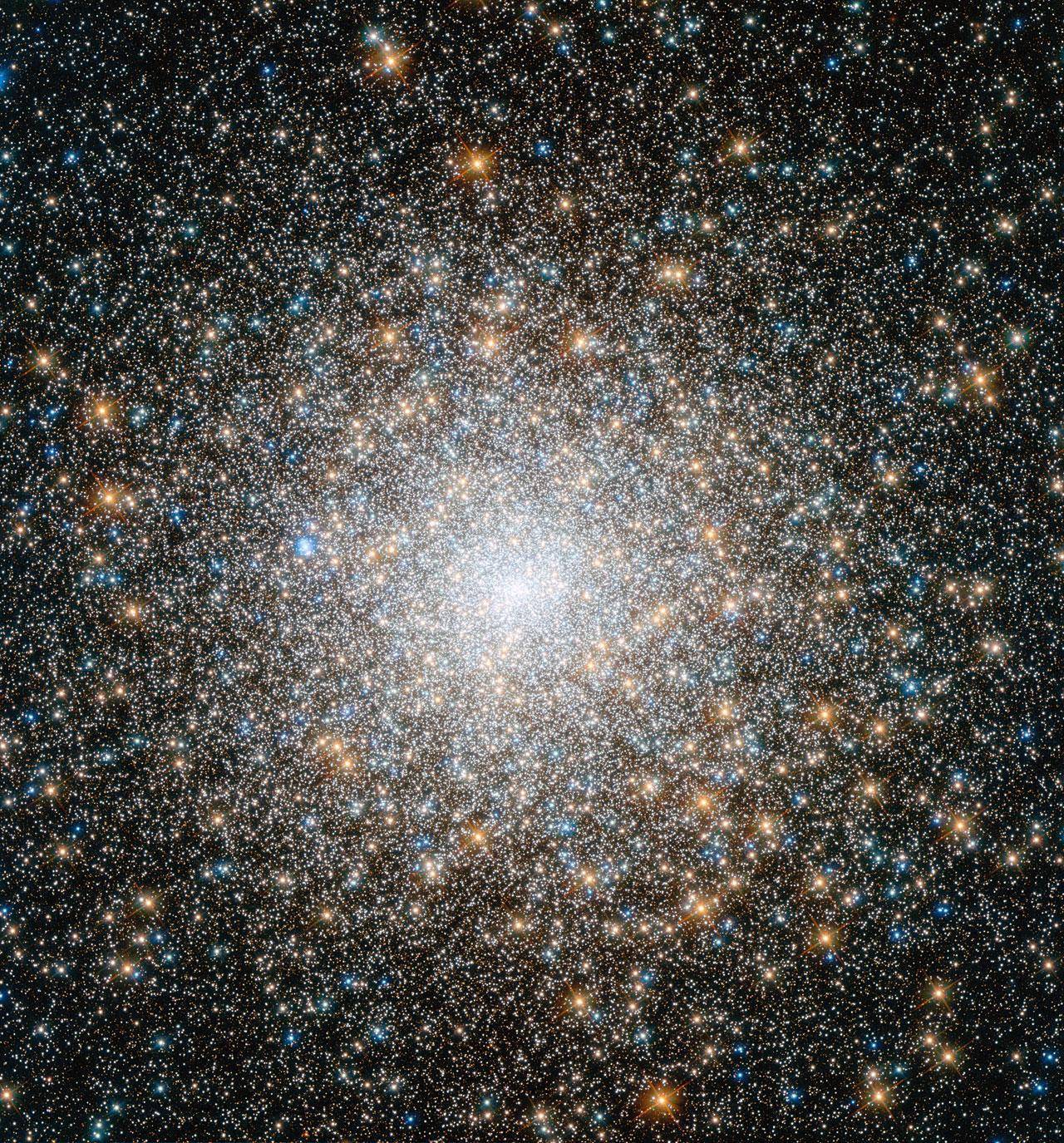
This dense cluster of stars is known as Messier 15 (or M15) and is located about 35,000 light-years away. The fuzzy, blue area to the left of the cluster's core is a planetary nebula, a cloud of gas that has been cast off by a dying, medium-sized star.
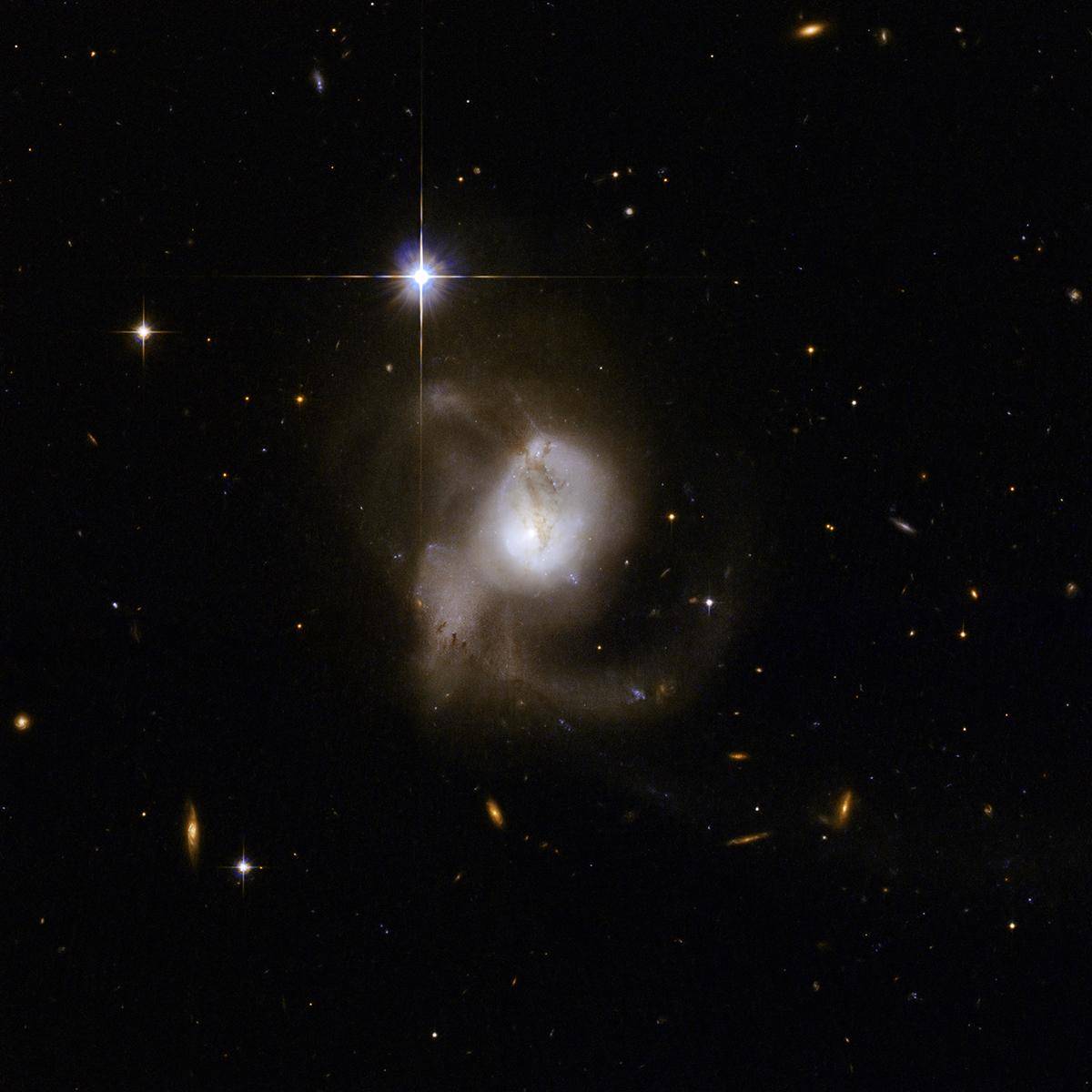
ESO 239-2 is the result of a cosmic collision between galaxies that will eventually result in a larger "elliptical" galaxy. The intermediate stage captured here shows a galaxy with long tails of dust and gas that envelope the galaxy's core.
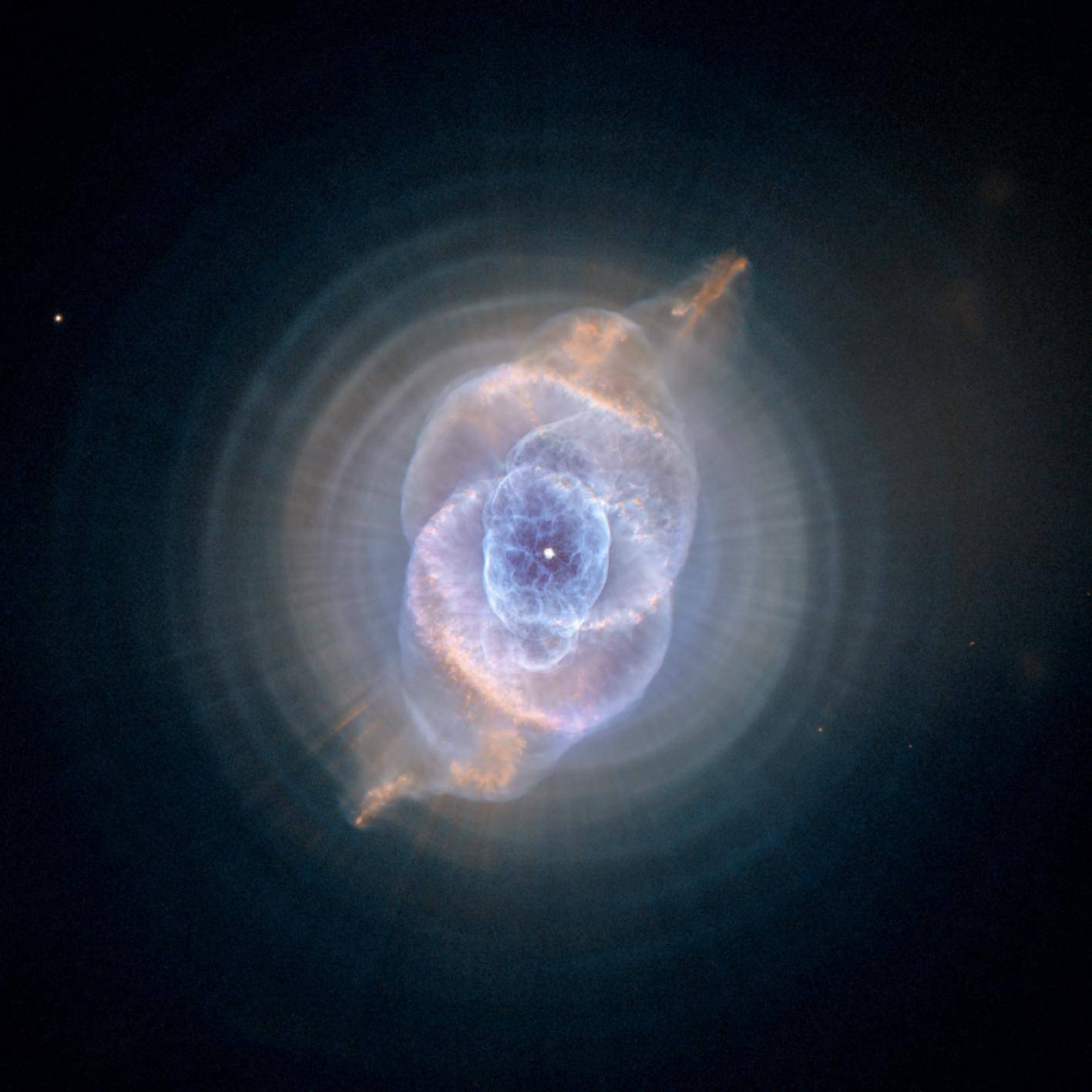
Produced by a dying star, the Cat's Eye Nebula is one of the most complex planetary nebulas known. This image reveals a pattern of concentric rings around the central star. Each "ring" is actually the edge of a spherical bubble of material ejected by the star.
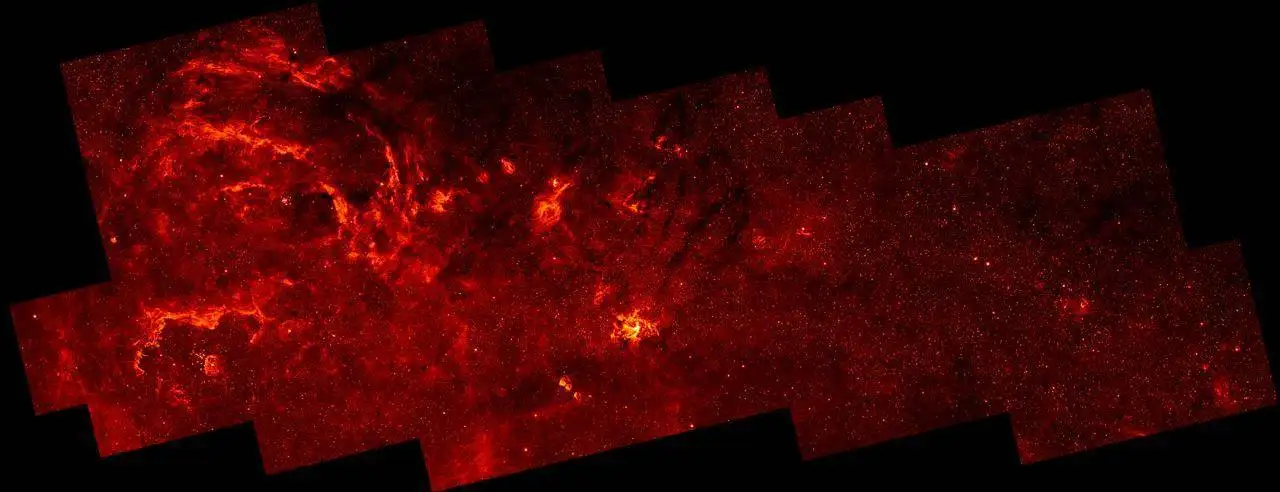
This infrared image of the center of our Milky Way galaxy reveals a population of massive stars and complex structures in the hot ionized gas that swirls around the galactic core.
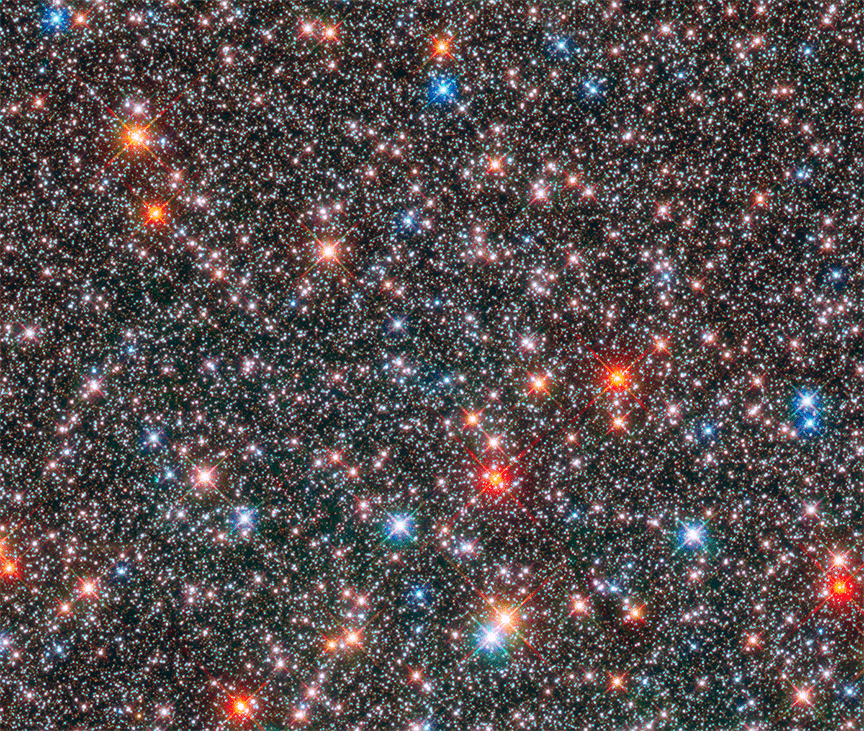
These colorful stars reside at the heart of our Milky Way galaxy, about 26,000 light-years from Earth. Aging red-giant stars coexist with their more plentiful younger cousins, the smaller, white, Sun-like stars, in this crowded region of our galaxy’s central hub.
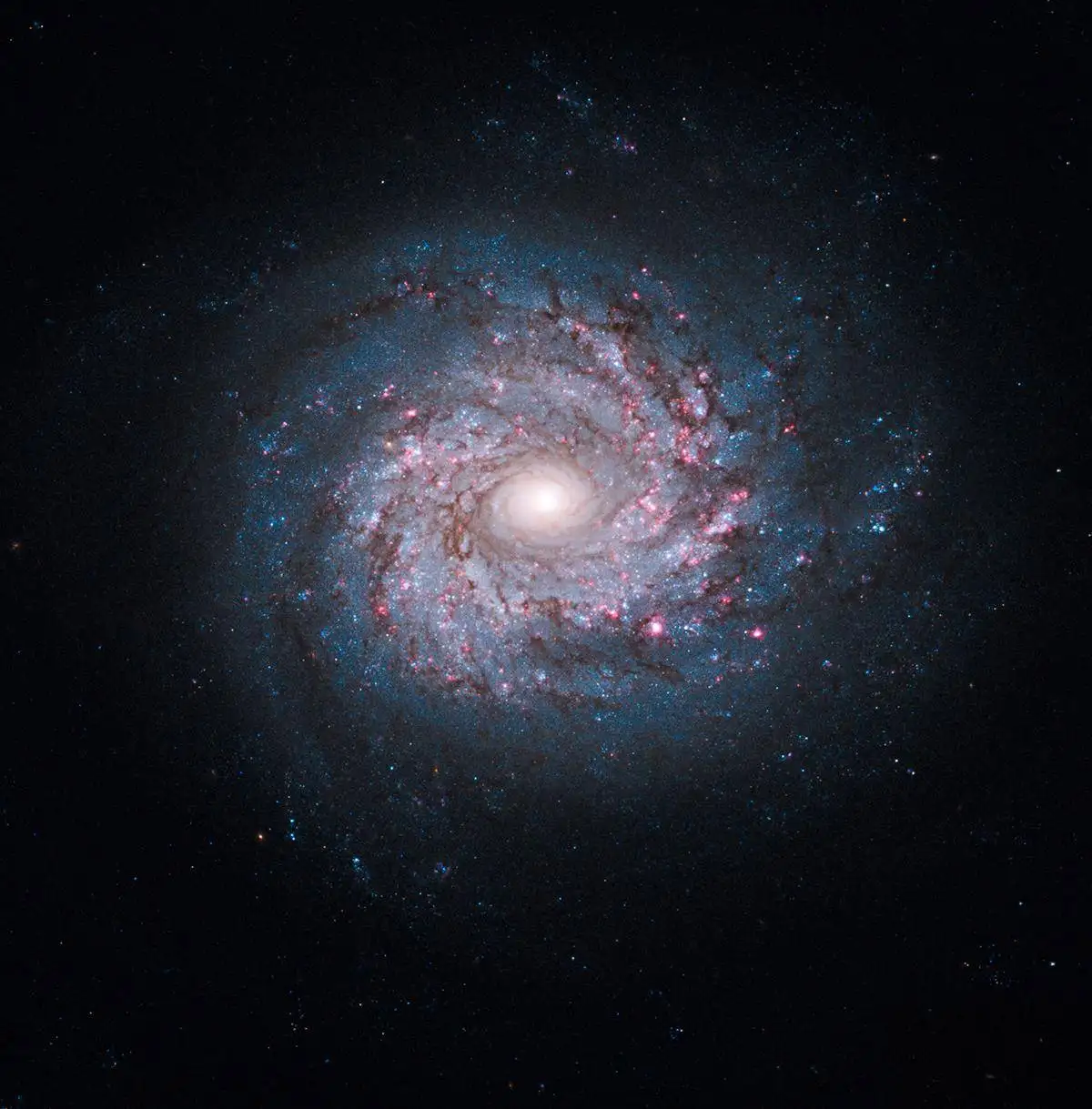
This image captures the face-on spiral galaxy NGC 3982. Its arms are lined with pink star-forming regions of glowing hydrogen, blue newborn star clusters, and dark dust lanes that provide the raw material for future generations of stars.
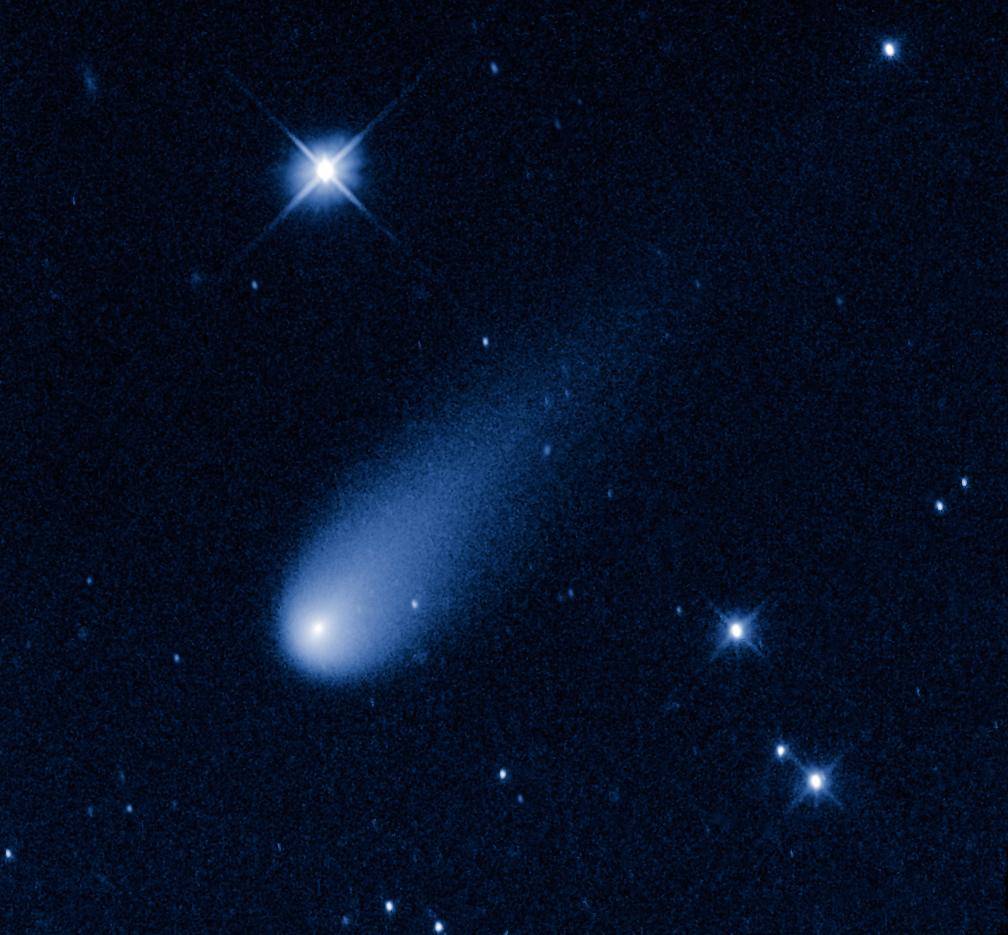
At the time Hubble took this image, comet ISON (C/2012 S1) was hurtling toward the Sun at a whopping 48,000 miles per hour. The comet was 403 million miles from Earth, between the orbits of Mars and Jupiter.